Optimization of pollen allergy treatment

Extended or shifted pollen seasons complicate therapy planning, while new invasive plant species (e.g., Ambrosia) lead to additional sensitizations, and overall pollen exposure is increasing due to environmental changes.

Improved diagnostic

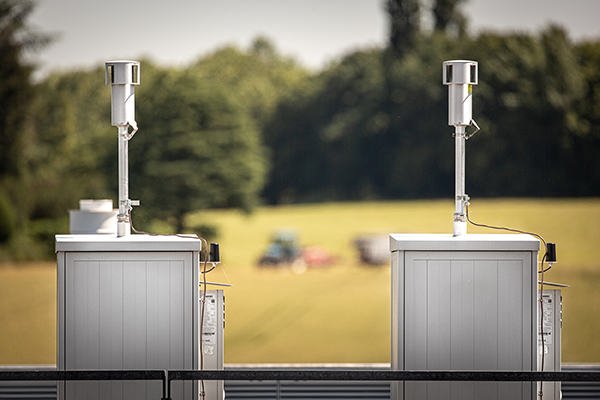
Swisens provides concentrations of airborne pollen in real-time in hourly resolution. This way, we enable you to take more informed decisions.

image1-allergology_new

Missing or unprecise pollen concentrations

Our classifier covers relevant pollen classes and is continuously improved. It provides the most accurate concentrations in your target area.

image2 allergology

Timely Alerts and Treatment Guidance

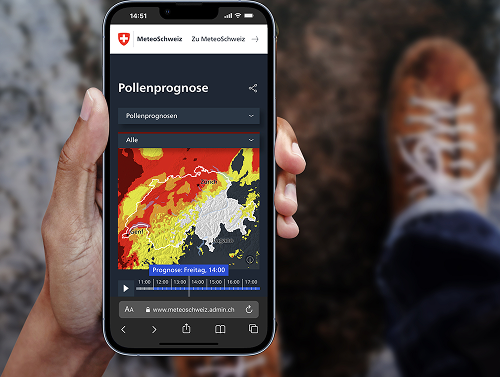
Automated reminders and behavioral recommendations during high pollen exposure increase risk awareness and support timely medication for many patients.

image3_part1 allergology 2

What makes Swisens right for you?

We develop, produce and offer instruments and solutions for the measurement and monitoring of aerosol particles. Swisens revolutionizes environmental and process monitoring through new measurement methods and automatic identification of particles in real time. Our solutions enable the detection of bioaerosols, pollutants and other solid particles for industry and science. In close partnership, we actively contribute to better health, scientific knowledge and productivity worldwide.

Validated Quality

Swisens instruments are manufactured in Switzerland, each undergoes a rigorous factory acceptance test, and we are transparent about performance by publishing validation results in peer-reviewed journals.

Real-time data with hourly resolution

Swisens offers the unique all-in-one solution for monitoring pollen exposure in real time. We provide daily or hourly concentrations at any time.

Autonomous monitoring

Our instruments measure autonomously without the need for maintenance for months. They monitor and regulate themselves to provide data without interruptions.

Resources

Which Pollens are Relevant for Allergy Sufferers?

Pollen Monitoring: Harnessing Fluorescence Spectroscopy for Precision Identification

How do you distinguish pollen from other aerosol particles?

Pollen-News App

Questions? Contact Us.

Frequently Asked Questions

  • How accurate is Swisens' real-time particle data?

    Our classifiers are regularly assessed and validated. Results are published by independent institutes in peer-reviewed journals. SwisensPoleno systems thus guarantee the most accurate and transparent particle data. The latest classifier's performance on reference data from Munich can be found in this publication.

  • What options do I have to get pollen risk information?

    We offer the purchase of a SwisensPoleno system, as well as data-as-a-service options to cater to your requirements.

  • How can real-time concentrations be used to improve treatment of affected patients?

    The class-specific concentrations, as well as integration into apps or Email services allow informed symptom evaluation and treatment recommendations.

  • What types of airborne particles can be measured?

    The latest and validated machine learning algorithms identify the most important pollen types for allergy sufferers in Central Europe. These include hazel, birch, alder, beech, ash, oak, and the grass family. The extended, yet unvalidated portfolio includes over 20 additional pollen types, as well as spores, other bioaerosols, and coarse aerosol particles. We are happy to accommodate customer-specific requirements and continuously expand our database.